There’s something deeply comforting about a pot of chicken broth simmering away while the rest of life keeps moving. On our homestead, broth isn’t just a recipe — it’s a rhythm. Every time we butcher our own chickens, nothing goes to waste. The carcasses, backs, wing tips, and sometimes even the feet get tucked into the freezer until I’m ready for a fresh batch of rich, golden broth. And when life is full (which it always is), the crock pot becomes my best friend.
This slow cooker chicken broth is the easiest, most hands‑off way to turn leftover chicken bones into liquid gold. No exact measurements, no fuss, no babysitting a pot on the stove. Just wholesome ingredients, a long slow simmer, and a broth that tastes like it came straight from your great‑grandmother’s kitchen.
This post contains affiliate links. As an Amazon Associate, I earn from qualifying purchases. I only recommend products I use and trust in my own homestead kitchen.
Why You’ll Love This Crock Pot Chicken Broth
Completely hands‑off — the slow cooker does all the work
No exact measurements needed
Perfect for homesteaders, busy families, and anyone wanting real, nourishing food
Uses scraps you already have on hand
Freezer‑friendly, pressure‑can‑friendly, and endlessly versatile
Deep, rich flavor thanks to long, slow simmering
Print
Crockpot Bone Broth
- Total Time24-48 hours
Ingredients
- — Chicken carcasses, backs, wing tips, or leftover roasted bones
- — Optional: chicken feet
- — Onion, quartered (skins on is fine)
- — Carrots
- — Celery
- — Garlic cloves
- — Bay leaves
- — Whole peppercorns
- — Splash of apple cider vinegar
- — Water to fill the crock pot
Instructions
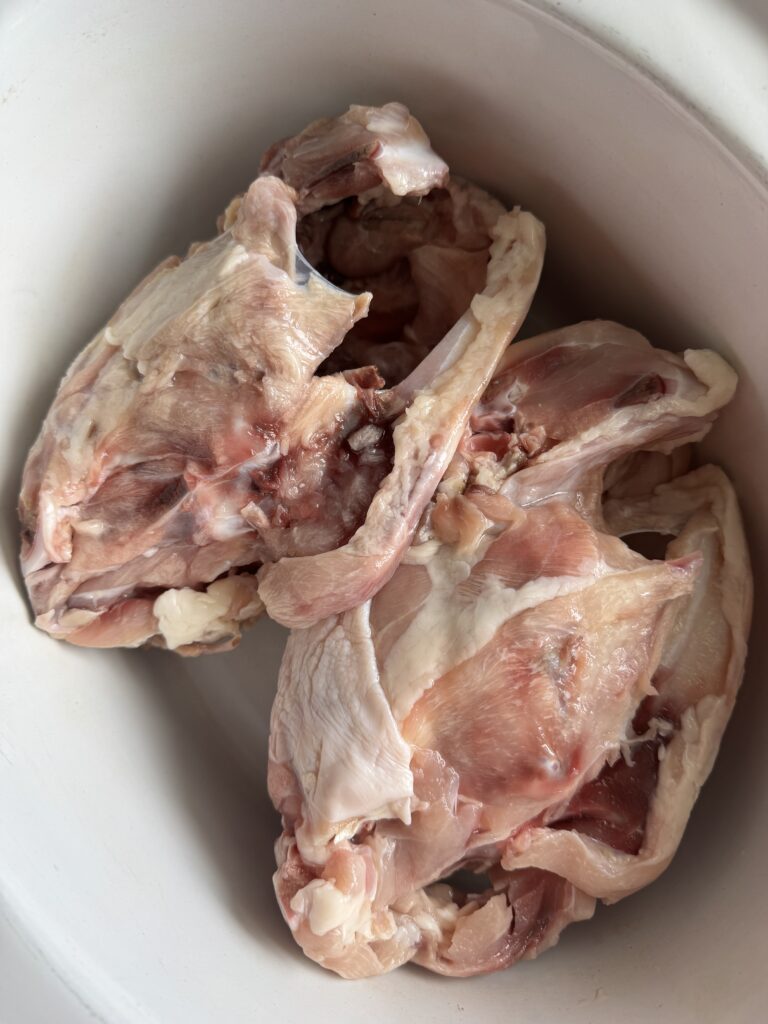
- Add chicken bones (fresh or frozen) to the slow cooker.
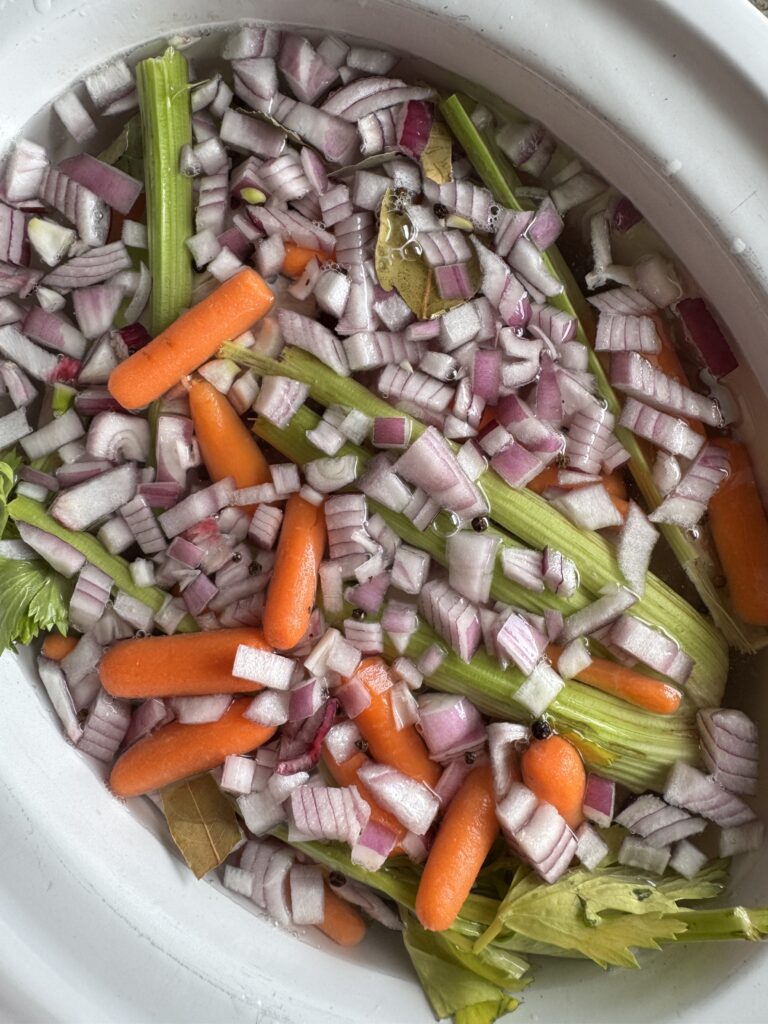
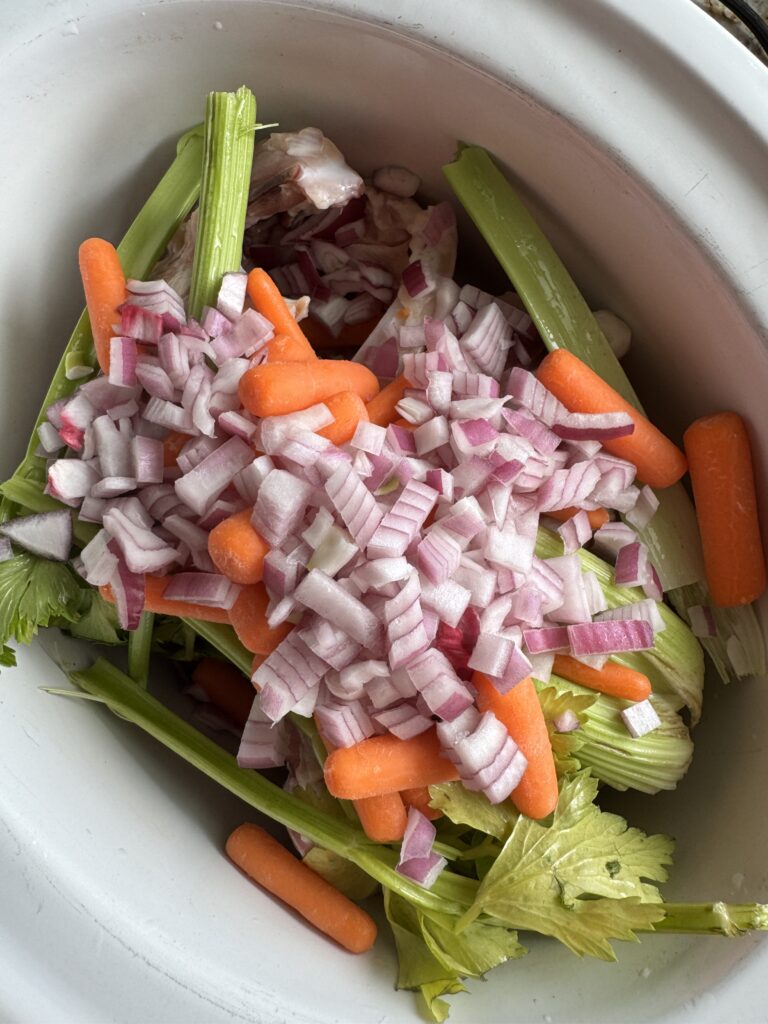
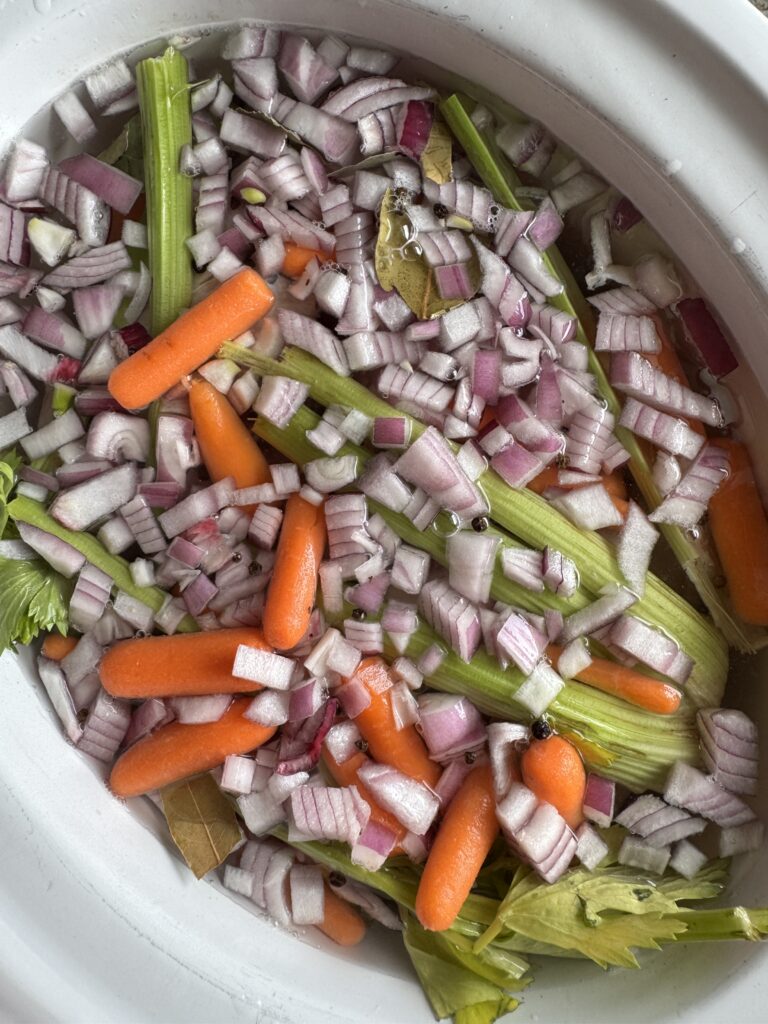
- Add onion, carrots, celery, garlic, bay leaves, and peppercorns.
- Pour in a splash of apple cider vinegar.
- Fill the crock pot with water, leaving about an inch of space at the top.
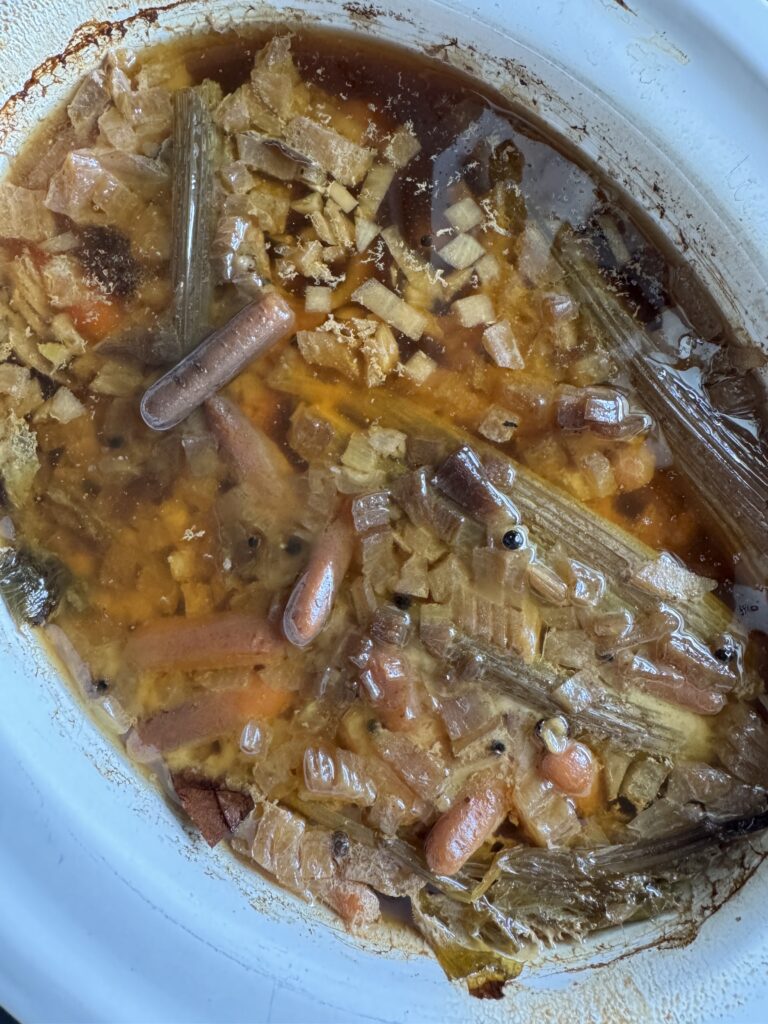
- Cover and cook on Low for 24-48 hours, depending on how rich you want the broth.
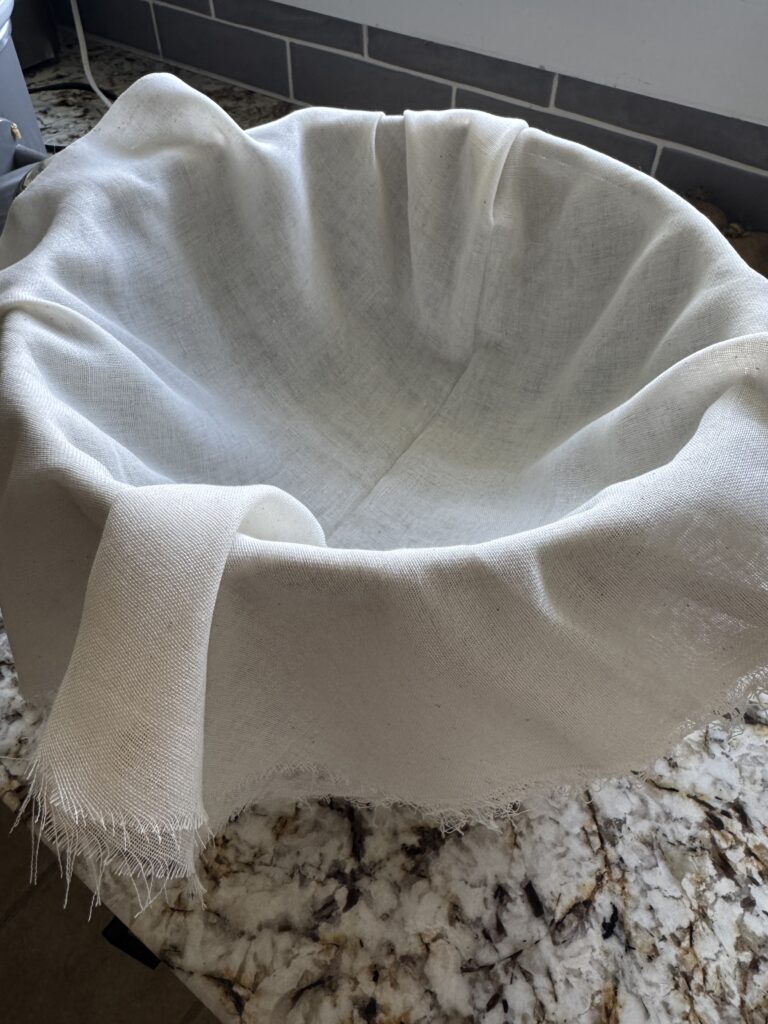
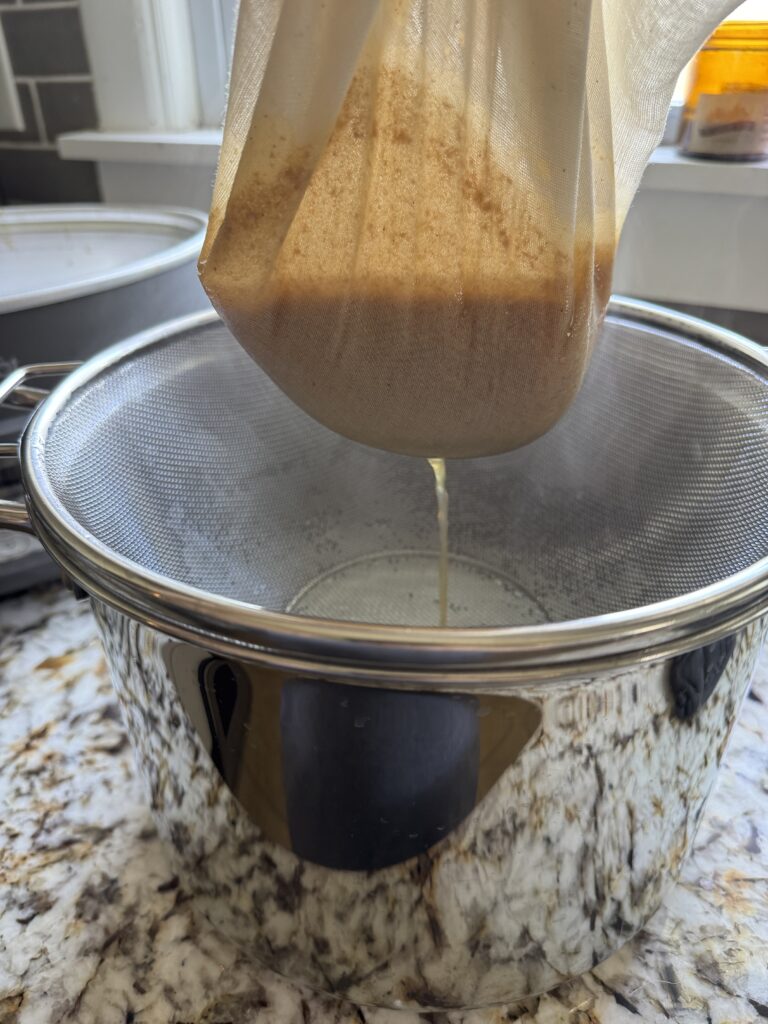
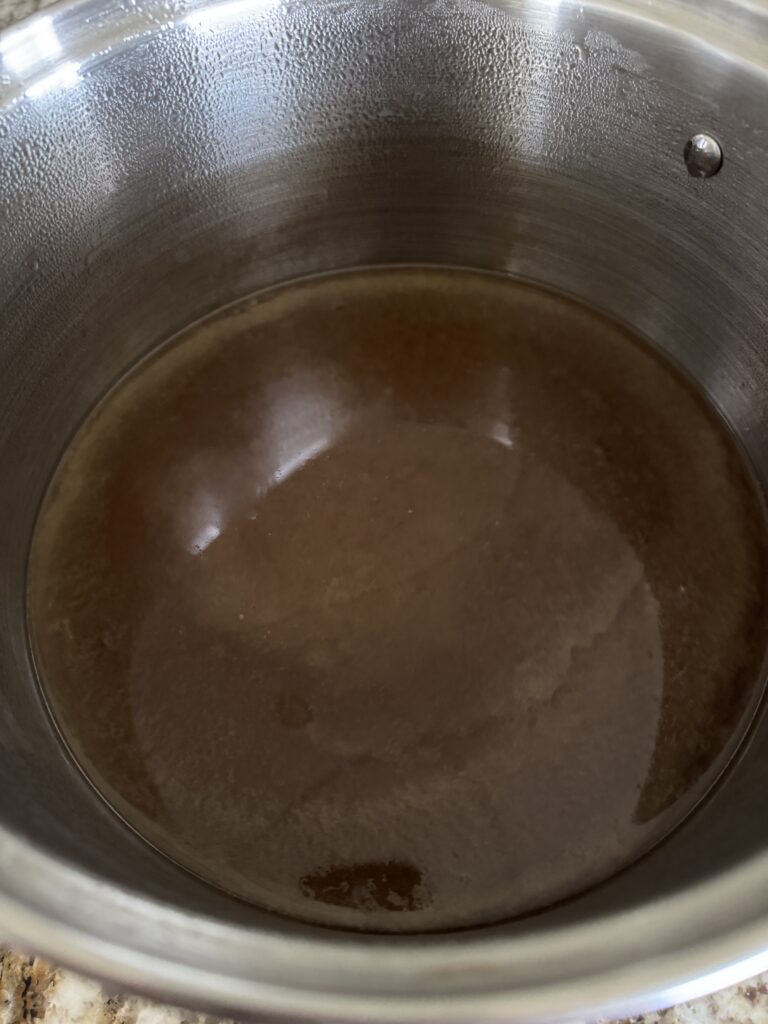
- Strain the broth through a fine mesh sieve covered with cheesecloth into a large bowl or pot.
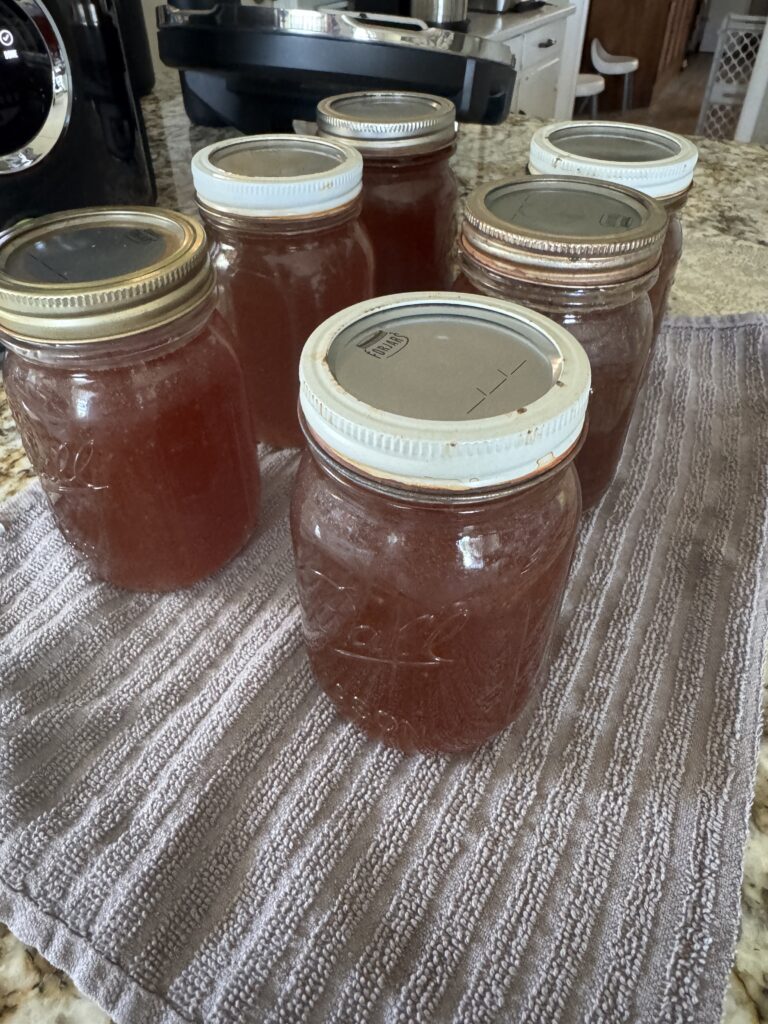
- Let cool, then store in jars, freeze, or pressure can for long‑term storage.
Notes
- Longer simmering = deeper flavor and more collagen.
- Broth may gel when chilled — this is a good thing.
- Use in soups, stews, sauces, casseroles, or sip warm in a mug.
Ingredients (No Exact Measurements Needed)
Chicken carcasses, backs, wing tips, or leftover roasted bones
Optional: chicken feet for extra collagen
Onion (skins on is fine)
Carrots
Celery
Garlic cloves
Bay leaves
Peppercorns
A splash of apple cider vinegar
Water to fill the crock pot
Instructions
- Place chicken bones (fresh or frozen) into your slow cooker.
- Add vegetables, garlic, herbs, and peppercorns.
- Add a splash of apple cider vinegar — this helps pull minerals from the bones.
- Fill the crock pot with water, leaving about an inch of space at the top.
- Cover and cook on Low for 24-48 hours.
- Strain through a fine mesh sieve. Cover with cheesecloth for and even cleaner final product.
- Cool completely, then store, freeze, or pressure can.
The longer it simmers, the richer and more flavorful your broth becomes.
How We Reduce Waste on the Homestead
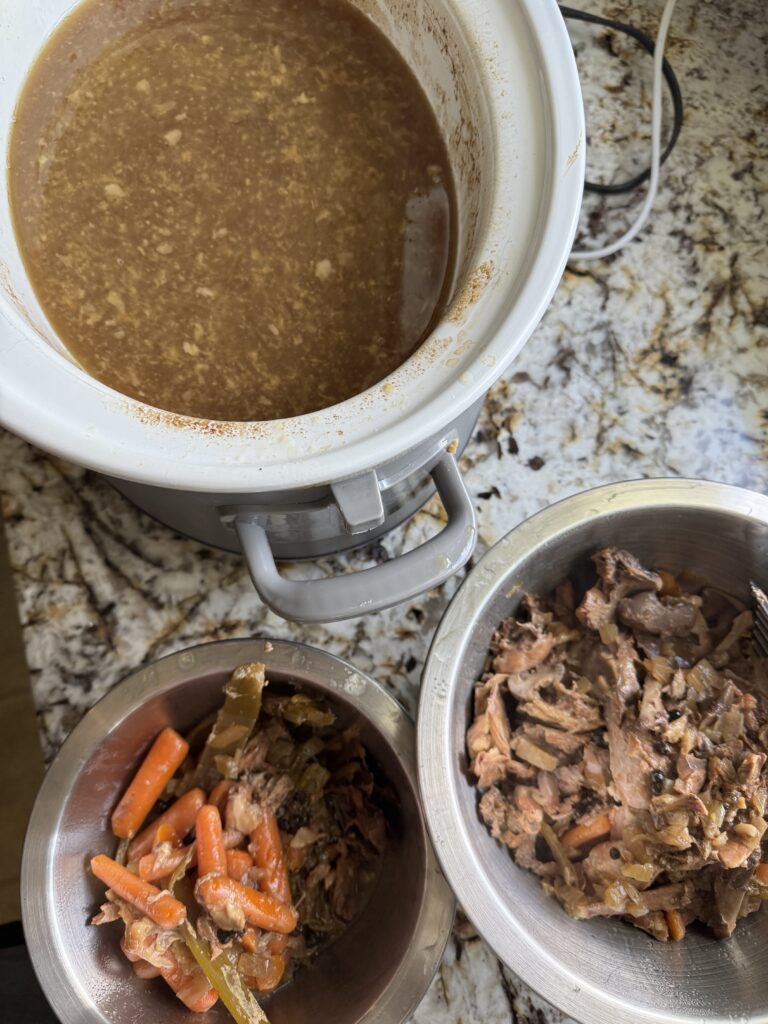
One of my favorite parts of making homemade broth is how little waste it creates. After the broth has finished simmering and I’m ready to strain it, I take a few extra minutes to sort through what’s left in the crock pot. Most of the vegetables — the onions, carrots, celery, and garlic — get pulled out and carried straight to the chicken coop. The hens love the soft, warm veggies, and it feels good knowing those scraps are going right back into nourishing the flock that feeds our family.
Then I separate out the bones. The larger, meatier pieces get set aside for our barn cats, who think broth‑day is the best day of the week. They get a hearty treat, the chickens get a warm snack, and I’m left with a very small amount of true waste. It’s a simple, satisfying cycle that keeps our homestead running with intention and respect for every part of the animal.
Tools I Used
- 6–8 quart slow cooker
- Fine mesh strainer
- Large bowl or stock pot
- Mason jars or freezer‑safe containers
- Canning supplies (See link below)
→ Check out the “Shop My Kitchen” page to see the supplies I use for pressure canning.
A Note From the Homestead: How We Raise & Butcher Our Chickens
One of the most meaningful parts of homesteading is knowing exactly where your food comes from. We raise our own meat birds each year, and on butchering day, nothing goes to waste. After processing, we save the carcasses, backs, wing tips, and sometimes the feet — all of which make the most incredible broth.
Chicken feet, especially, add a beautiful richness and collagen that gives broth that classic “jiggle” when chilled. If you don’t raise your own birds, check with local farmers or butchers — many are happy to sell backs and feet at a great price.
Variations
- Roasted Bone Broth: Use leftover roasted chicken bones for a deeper, richer flavor.
- Herb‑Forward Broth: Add rosemary, thyme, or parsley stems.
- Extra‑Gelatin Broth: Add more feet or wing tips for a thicker, more nutrient‑dense broth.
- Spicy Broth: Add a dried chili or two for a subtle kick.
How to Use Homemade Chicken Broth
This broth is endlessly useful in the kitchen. I use it in place of water every time I make rice, but here are some of our other favorites:
- Soups and stews
- Creamy casseroles
- Sauces and gravies
- Cooking rice or quinoa
- Sipping warm in a mug on cold mornings
- Adding richness to slow cooker meals
- Making homemade ramen or chicken noodle soup
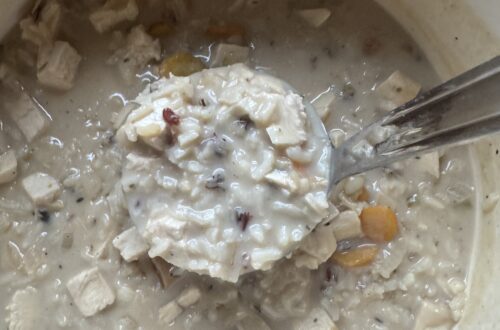
→ Try this Creamy Chicken and Rice
How to Store Crock Pot Chicken Broth
You have three great options depending on your needs:
1. Refrigerate
Store in jars for up to 5 days. The fat cap on top helps preserve freshness.
2. Freeze
Freeze in jars (leave headspace), silicone molds, or freezer containers for 6–12 months.
3. Pressure Can
For long‑term shelf‑stable storage, pressure can your broth following USDA guidelines.
This is my favorite method for keeping broth ready for quick weeknight meals.
Frequently Asked Questions
Can I use raw bones?
Yes — raw, roasted, or frozen bones all work beautifully.
Do I have to add vegetables?
Nope. They add flavor, but the broth will still be delicious without them.
Why add apple cider vinegar?
It helps extract minerals and collagen from the bones.
Can I cook it longer than 24 hours?
Yes! I cook it until I have time to get to straining and canning it. The bones are typically falling apart.
My broth gelled — is that normal?
Yes! That’s a sign of a nutrient‑rich, collagen‑dense broth.
→ Check out all of my dinner recipes here.
→Give my creamy chicken and rice a try!
Let Me Know How Yours Turned Out
If you make this Crock Pot Chicken Broth, I’d love to hear how it turned out for you. Tag me on social media, leave a comment, or share your favorite way to use homemade broth. Real food made from scratch is one of the simplest ways to nourish your home — and I’m so glad you’re here doing it with me.